Top 10 Items You Should Never Throw in a Dumpster
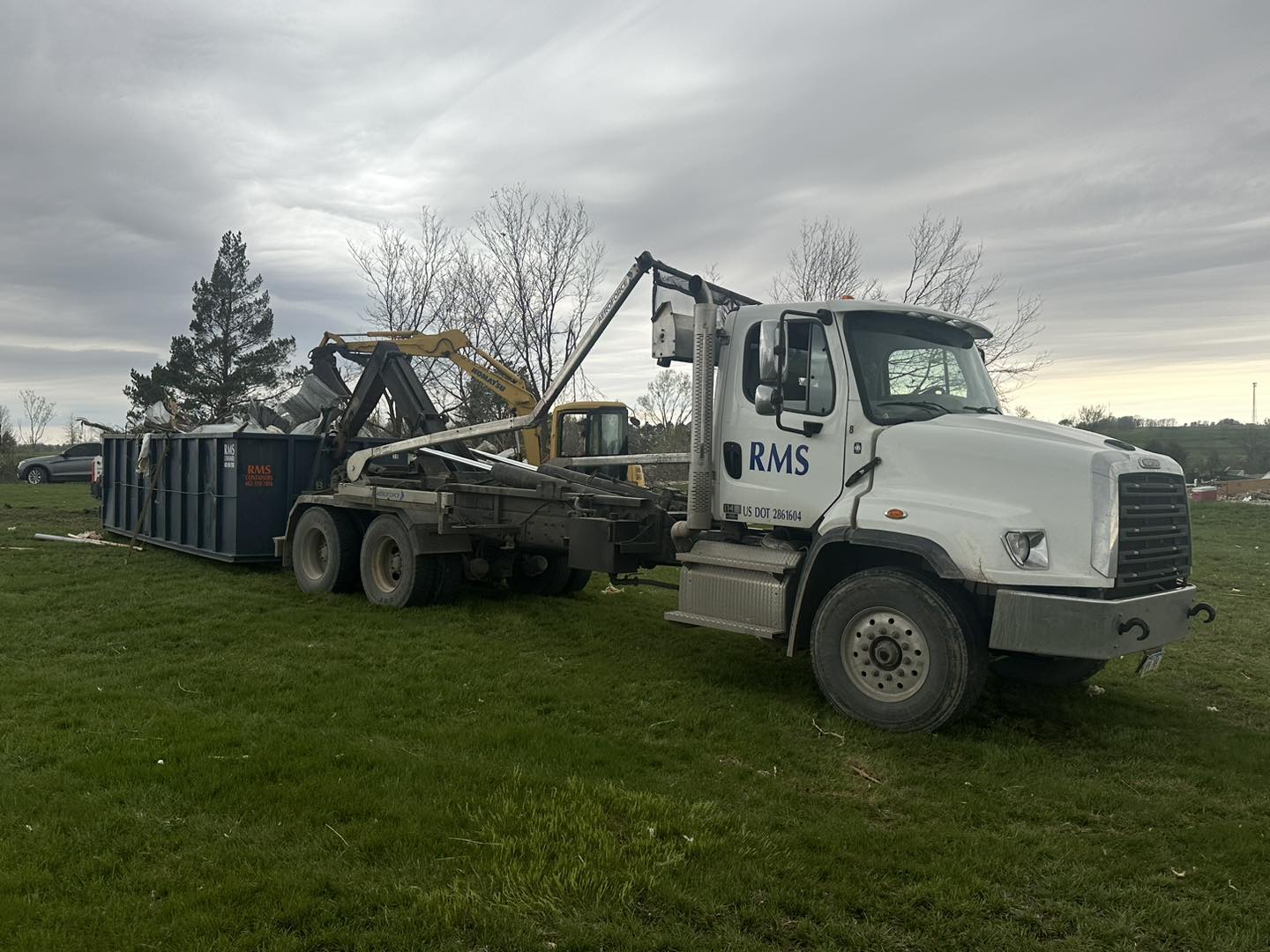
If you’re tackling a home decluttering, remodeling job, or large cleanup, having a rented dumpster on-site makes disposal smooth and stress-free. A dumpster offers one central location for unwanted materials, helping you keep your work site clean and organized. However, not everything belongs in a dumpster. Some materials are restricted for safety, environmental, or legal reasons, and knowing what to avoid can save you from fines and complications later on.
Here at RMS Dumpsters, our mission centers on providing dumpster rentals while encouraging responsible disposal habits. We aim to ensure our customers enjoy efficient dumpster use without compromising on proper waste handling. Knowing which items are not allowed helps you stay compliant and guarantees safe waste management. Below are ten examples of items you should never throw into a dumpster and the reasons they require specialized disposal.
1. Hazardous Chemicals and Liquids
Substances such as bleach, pesticides, and cleaning solvents can be highly dangerous when disposed of in dumpsters. These substances can leak, mix with other materials, and release harmful vapors that endanger both people and the environment. Dumped improperly, these chemicals can enter the soil or groundwater, damaging the environment for years.
Avoid putting these chemicals in dumpsters and deliver them to local hazardous waste facilities. Many local waste facilities organize drop-off events for chemical disposal, ensuring these substances are handled according to safety standards. By using proper disposal methods, you help safeguard your neighborhood and protect natural resources.
2. Automotive Oils, Paints, and Related Liquids
You should never dispose of paints, automotive oils, or transmission fluids in dumpsters, as they contain dangerous compounds and metals. Even if they seem harmless, these liquids can spill or leak through containers, contaminating other waste or seeping into the ground. Latex paint might seem like an exception, but it still needs to be properly dried before disposal.
Local repair shops and recycling programs typically accept these fluids for correct disposal or recycling. Many website oils can be reprocessed and used again, minimizing environmental impact. Choosing proper disposal methods reflects a commitment to environmental responsibility and sustainability.
3. Disposing of Batteries Safely
Batteries hold chemicals including mercury and cadmium that can severely pollute ecosystems if not disposed of properly. Improperly discarded batteries can release these toxins into soil and water, endangering animals and people alike. Larger batteries like those in vehicles carry greater environmental risk.
Today, many hardware and tech stores provide safe drop-off locations for used batteries. Dropping batteries at recycling centers ensures proper treatment and recovery of useful materials. This small effort contributes to reducing pollution and conserving resources.
4. Why Tires Don’t Belong in a Dumpster
Tires are among the most frequent items improperly discarded in dumpsters. Because of their structure and material makeup, landfills cannot properly accommodate them. Trapped gases inside tires can cause them to float to the surface and compromise landfill safety. Discarded tires left exposed also collect rainwater, attracting mosquitoes and insects.
Many tire dealers and recycling facilities welcome old tires for correct disposal. Recycled tires can be transformed into road materials, play surfaces, or other useful products. Recycling tires not only keeps them out of landfills but also supports innovative ways to reuse durable rubber materials.
5. Disposing of Electronics and Appliances Properly
Appliances, TVs, and computers often contain materials that make them inappropriate for dumpster disposal. Most electronic items include circuit boards with harmful elements like lead and mercury, and bigger appliances may contain refrigerants that can damage the ozone layer. Disposing of electronics incorrectly can lead to contamination and violations of environmental laws.
The safest way to handle unwanted electronics and appliances is through e-waste recycling programs. These facilities disassemble devices safely and extract reusable metals and plastics. By taking part in e-waste programs, you help reduce pollution and support responsible recycling in the electronics field.
6. Why Medical Waste Should Never Be Thrown in a Dumpster
Medical waste, such as syringes, bandages, or unused medications, must be handled with great care. Throwing them into a dumpster creates serious health risks for sanitation workers and anyone who may come in contact with the waste. Improperly managed medical waste can spread diseases and cause contamination.
Hospitals, pharmacies, and clinics usually have designated programs for collecting and disposing of medical waste safely. Local governments often maintain collection bins where residents can safely dispose of medical waste. Using these services ensures compliance with public health standards and keeps potentially hazardous items out of general waste streams.
7. Dangerous Flammable Materials to Avoid Throwing in Dumpsters
Items like propane tanks, gasoline, aerosol cans, and fireworks should never be placed in dumpsters due to their explosive nature. Even after use, they can hold vapors or pressure that may cause ignition or explosions. Disposing of them improperly puts waste handlers and bystanders at risk.
Such dangerous substances should be taken to approved hazardous waste centers for proper handling. Some gas companies even provide recycling or exchange programs for empty propane tanks. By handling flammable items responsibly, you help maintain safety and prevent fires.
8. Disposing of Refrigerators and Air Conditioners Correctly
Cooling units like freezers and air conditioners have chemicals that can harm the atmosphere when released. If mishandled, these chemicals can lead to air pollution and damage the ozone layer. Dumpsters are not equipped to handle the safe removal of such substances, making these items prohibited for regular disposal.
You can take used appliances to facilities that process them in an environmentally safe way. Trained professionals extract the refrigerant safely before recycling the remaining materials. This approach prevents environmental damage and promotes the reuse of valuable materials from old appliances.
9. Excess Yard Waste and Proper Disposal
While small amounts of yard debris are often acceptable in dumpsters, large quantities of organic waste should not be mixed with regular trash. Grass clippings, branches, and leaves can be composted instead of sent to a landfill. Combining yard waste with other garbage slows down natural decomposition and fills landfills quickly.
Consider composting or using local green waste programs to dispose of yard debris responsibly. This process transforms organic waste into nutrient-rich compost that enhances soil quality. Avoiding yard waste in dumpsters reduces landfill burden and encourages eco-friendly waste practices.
10. Hazardous Building Materials Like Asbestos
Asbestos, lead-based paint, and certain types of insulation materials are highly dangerous and must be handled by professionals. When disturbed, asbestos fibers can become airborne and cause severe health issues if inhaled. Placing such materials in a dumpster without proper containment violates safety regulations and can lead to significant risks.
For older property projects, seek professional help for identifying and removing harmful substances. Following professional removal and containment guidelines ensures public and worker safety. Proper management of these toxic materials helps safeguard health and preserve the environment.
Responsible Waste Disposal for a Cleaner Future
Managing waste responsibly goes beyond compliance; it demonstrates care for the environment and public safety. Knowing what to throw away properly helps maintain environmental balance and follow disposal laws. Each mindful waste decision helps create a cleaner, safer world for the generations to come.
RMS Dumpsters remains committed to offering dependable dumpster rentals that promote safe and responsible disposal. Knowing which materials need special handling allows you to use your dumpster efficiently and responsibly. Together, we can make responsible waste disposal a simple and effective part of every project.